Skyfire kept old mobile browsing interesting
Skyfire was a mobile browser developed by Skyfire Labs, Inc. to bring more desktop-style web content to smartphones during the web-to-mobile transition. It became known for helping users access Flash-era video through cloud-based processing, while also adding social browsing tools into the interface. Its main elements included the SkyBar, a feed reader, and compatibility tools for viewing shared links alongside regular page content. It targeted social media users and mobile users who needed better access to Flash-era video.
Top Recommended Alternative

Flash video took the scenic route
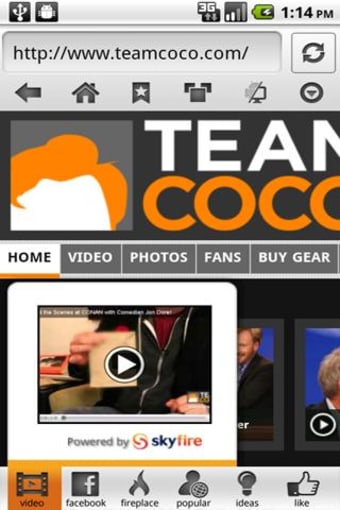
Skyfire helped address mobile performance and compatibility limits by moving certain media processing away from the device and onto cloud servers. This reduced the need for native Flash support and helped some Flash video content play on mobile devices. Its user-agent switching also let users request desktop or mobile versions of sites, which improved access when pages redirected or hid content. However, this setup depended on network performance and Skyfire’s server-side processing.
Social browsing before it got normal
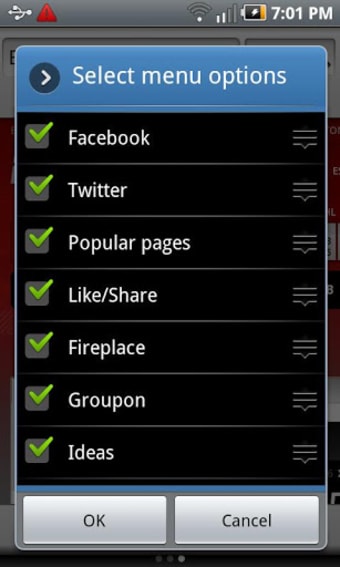
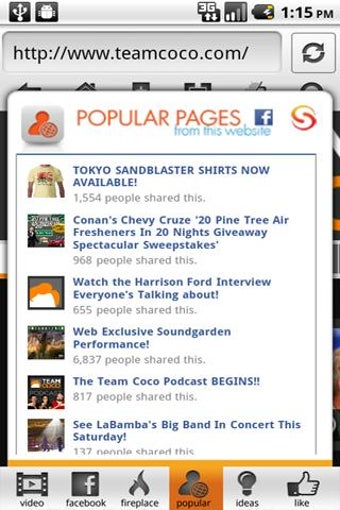
The browser’s cloud processing meant certain media handling passed through Skyfire’s servers rather than staying fully local. Its SkyBar embedded Facebook and Twitter feeds into the browsing experience, while integrated Like and Share tools connected web pages with social accounts. These features made Skyfire feel unusually social for its time, although they also tied the browser closely to older social media habits and third-party content flows.
Great for history, not daily use
Skyfire is no longer a practical choice for everyday browsing because the app and its transcoding service have been discontinued. Skyfire Labs was acquired by Opera, and its video-optimization ideas became more relevant as part of broader browser and network technology. Users preserving old bookmarks or shared links are better served by opening them in modern browsers with native HTML5 video support and current privacy controls.
A browser fossil with real fingerprints
Skyfire is best viewed as a historical example of off-device media handling and social-first browsing, not as a current tool for daily web use. Its cloud transcoding helped Flash-era videos reach mobile users, and its social toolbar showed how web browsing and feeds could overlap. However, its discontinued status and Flash-focused design limit its usefulness today. For archival research or mobile browser history, it remains a relevant reference.